Istanbul Attractions
36 places · narrow by district and visit style
Quick filters
More filters
Basilica Cistern
A vast, atmospheric 6th-century underground cistern built by Emperor Justinian. Walk on raised platforms above shallow water, surrounded by a forest of columns.

Hagia Sophia
Hagia Sophia is a monumental building that has served as a church, mosque, and museum. Its massive dome and layered history make it a central landmark in Istanbul.

Akaretler Row Houses
A restored 19th-century row of workers' houses built for Dolmabahçe Palace staff. Today, it's a quiet, upscale pedestrian street with high-end shops and cafes.

Anadoluhisarı Fortress
The oldest surviving Turkish architectural structure in Istanbul, this medieval Ottoman fortress stands on the Asian shore of the Bosphorus, giving its name to the surrounding neighbourhood.

Boukoleon Palace
A crumbling Byzantine palace facade right on the Marmara shore, south of the Hippodrome. You can walk right up to its seaward marble balcony and lion reliefs.

Camondo Stairs
A beautiful 19th-century staircase in Galata, built by the wealthy Camondo family. It's a quiet, elegant piece of history connecting two streets.

Çiçek Pasajı
A historic covered arcade off İstiklal Avenue, lined with cafes and restaurants. It's a lively spot connecting the main street to the Fish Market.

Column of Constantine
Erected in 328 AD to mark the founding of Constantinople, this is the oldest surviving monument from Constantine the Great's era.

Dolmabahçe Clock Tower
A late-Ottoman clock tower built by Sultan Abdülhamid II and designed by architect Sarkis Balyan. It stands as a free, elegant landmark on the palace waterfront.

Eyüp Cemetery
One of the oldest and largest Muslim cemeteries in Istanbul, stretching up the hillside from Eyüp Sultan Mosque toward Pierre Loti Hill. It's the final resting place of sultans, grand viziers, and poets.

German Fountain
A neo-Byzantine fountain gifted by Kaiser Wilhelm II, now a landmark on the Hippodrome in Sultanahmet.

Haydarpaşa Cemetery
A calm, well-kept war cemetery above Haydarpaşa station, holding British and Commonwealth graves from the Crimean War through WWII, with views across the Bosphorus.

Hippodrome of Constantinople
This long, open square was the heart of Byzantine Constantinople's public life. Today, you can see the Egyptian Obelisk, Serpent Column, and Walled Obelisk marking its ancient spine.

Istanbul University
Founded by Mehmed II in 1453, just after the conquest, this public research university’s historic campus sits steps from the Grand Bazaar. Its gate and courtyard remain open to visitors.

Karacaahmet Cemetery
A 700-year-old cemetery in Üsküdar, the largest burial ground in Turkey, with cypress-lined paths and historic tombstones.

Kariye Mosque (The Chora)
A Byzantine church converted to a mosque, famous for its intricate Late Byzantine mosaics and frescos. It's in the Edirnekapı neighborhood.

Khedive Palace
A former residence of Egypt's Khedive Abbas II, this Art Nouveau palace sits on a wooded hilltop above the Bosporus. Today it's a public grove with a café-restaurant inside.

Moda İskelesi (Historic Ferry Terminal)
A historic wooden ferry terminal on Kadıköy's Moda coast. It's a simple, beautiful spot to watch the boats and the Marmara Sea.

Pammakaristos Church (Fethiye Mosque)
A former Byzantine church turned mosque, with a small museum chapel holding some of Istanbul's finest surviving mosaics after Hagia Sophia and Chora.

Pera Palace Hotel
A historic hotel built in 1892 to host passengers of the Orient Express. It's considered the oldest European hotel in Turkey.

Phanar Greek Orthodox College
The oldest surviving Greek Orthodox school in Istanbul, with a striking red-brick facade towering over the Golden Horn. Note: exterior views only—it's a working school.

Prinkipo Greek Orthodox Orphanage
Europe's largest wooden building, a former Greek orphanage on Büyükada, visible from the hilltop path.

Selimiye Barracks
An imposing 1800 barracks built by Selim III, now headquarters of the First Army and remembered for Florence Nightingale's Crimean War work. Only the exterior is visible.

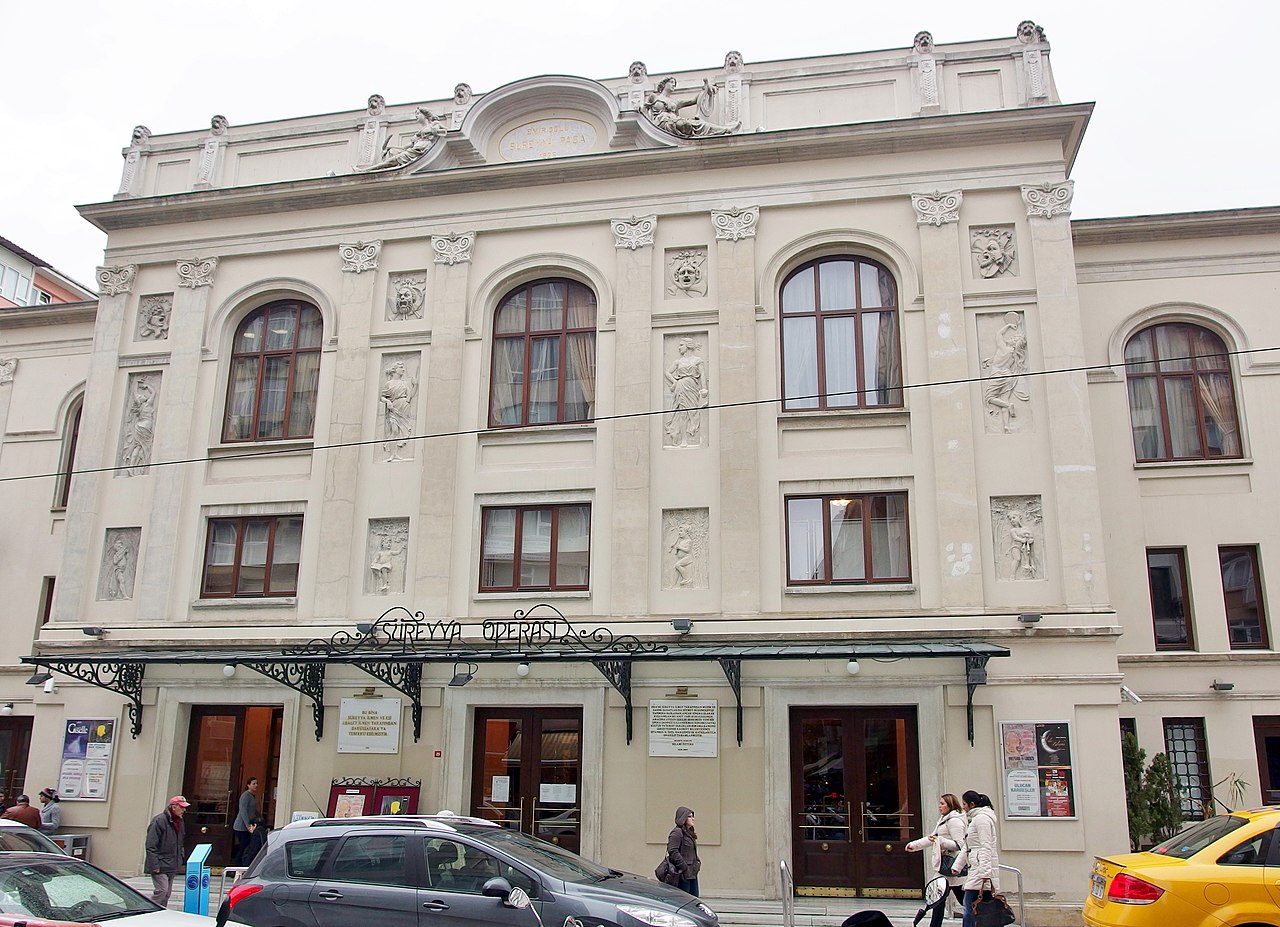
Süreyya Opera House
A beautiful 1927 opera house in Kadıköy, originally Istanbul's first musical theatre on the Anatolian side. It was restored and reopened as a proper opera venue in 2007.
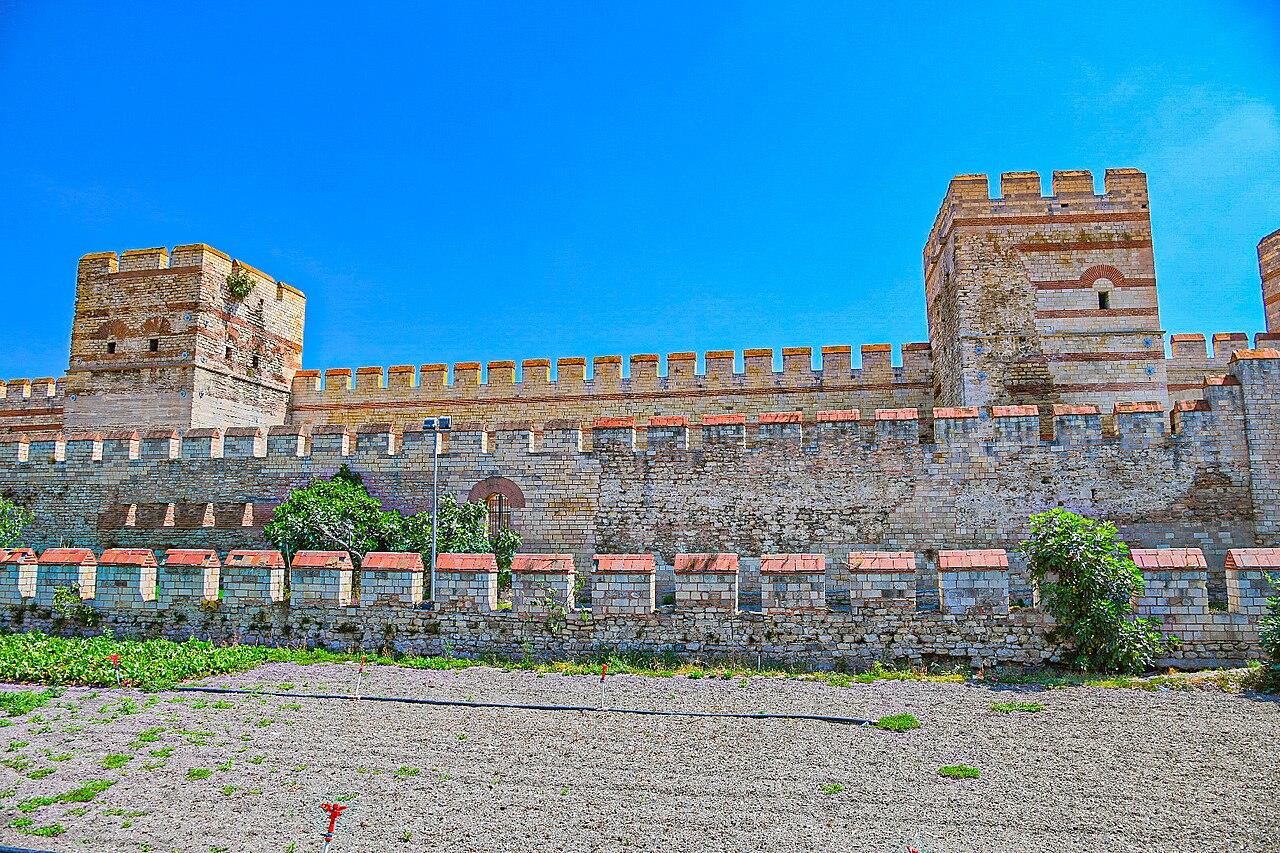
Theodosian Walls
These are the massive stone walls that protected Constantinople for centuries. You can walk along sections of them, especially around the Edirnekapı and Topkapı areas, to get a sense of the city's ancient scale.
Valens Aqueduct
This Roman aqueduct from the 4th century supplied water to Constantinople for over a thousand years. It cuts right through the modern city, so you can walk right up to it.

Yoros Castle
Ruined Byzantine castle with Genoese additions, perched above the meeting point of the Bosphorus and the Black Sea near Anadolu Kavağı.

Binbirdirek Cistern
The second largest underground cistern in Istanbul, with double-tiered columns and a quieter atmosphere than its famous neighbour.

Çırağan Palace
Former Ottoman palace on the Bosphorus, now a Kempinski hotel. The waterfront exterior is freely accessible, offering great views between Beşiktaş and Ortaköy.

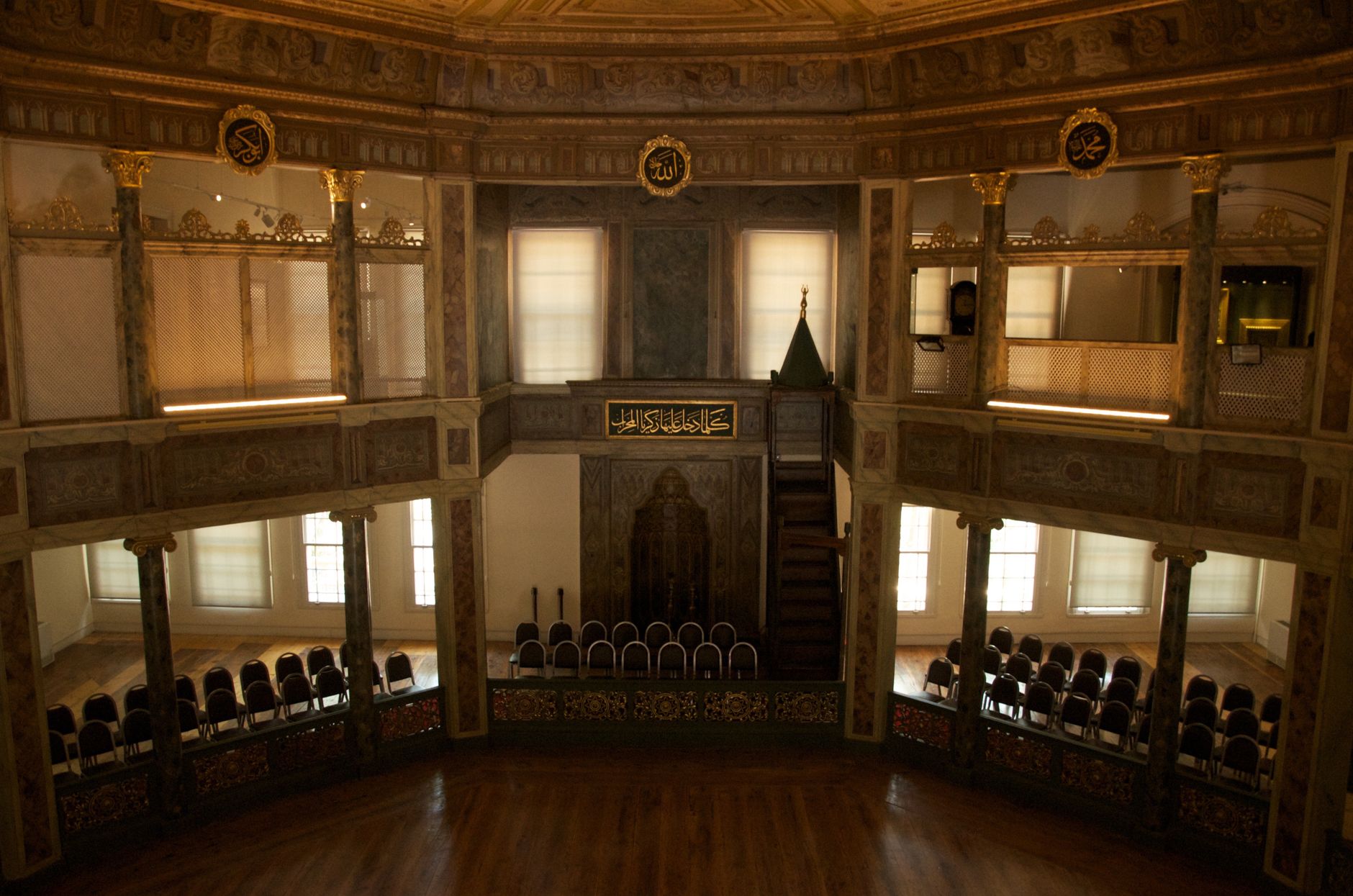
Hodjapasha Cultural Center
A 15th-century Ottoman bathhouse in Sirkeci, now hosting whirling dervish ceremonies in an intimate circular space.
Rumeli Fortress
A medieval Ottoman fortress on the European shore of the Bosphorus, offering walks along the ramparts with wide views of the strait.

Şerefiye Cistern
A 5th-century Byzantine cistern with 32 marble columns, now featuring 360° projection shows. A quieter break from the Basilica Cistern crowds.

Sultanahmet Jail
A former Ottoman prison just steps from Hagia Sophia, now a luxury Four Seasons hotel. You can walk past the historic exterior for free.

Tünel Funicular
The Tünel is a historic underground funicular connecting Karaköy and Beyoğlu. Opened in 1875, it's the world's second-oldest underground urban railway.


Book a tour
Affiliate links — we earn a commission when you book; it costs you nothing extra.